Patent drawings for DPMA, EPO and PCT
Sketch, photo or sample becomes a drawing that meets every formal requirement.
We create patent drawings that make the structure and function of your invention clear at a glance: clean line drawings with reference signs, matched to your description and to the formal requirements of the office where you file. As patent drafters based in Bielefeld, we work for clients throughout Germany and abroad.
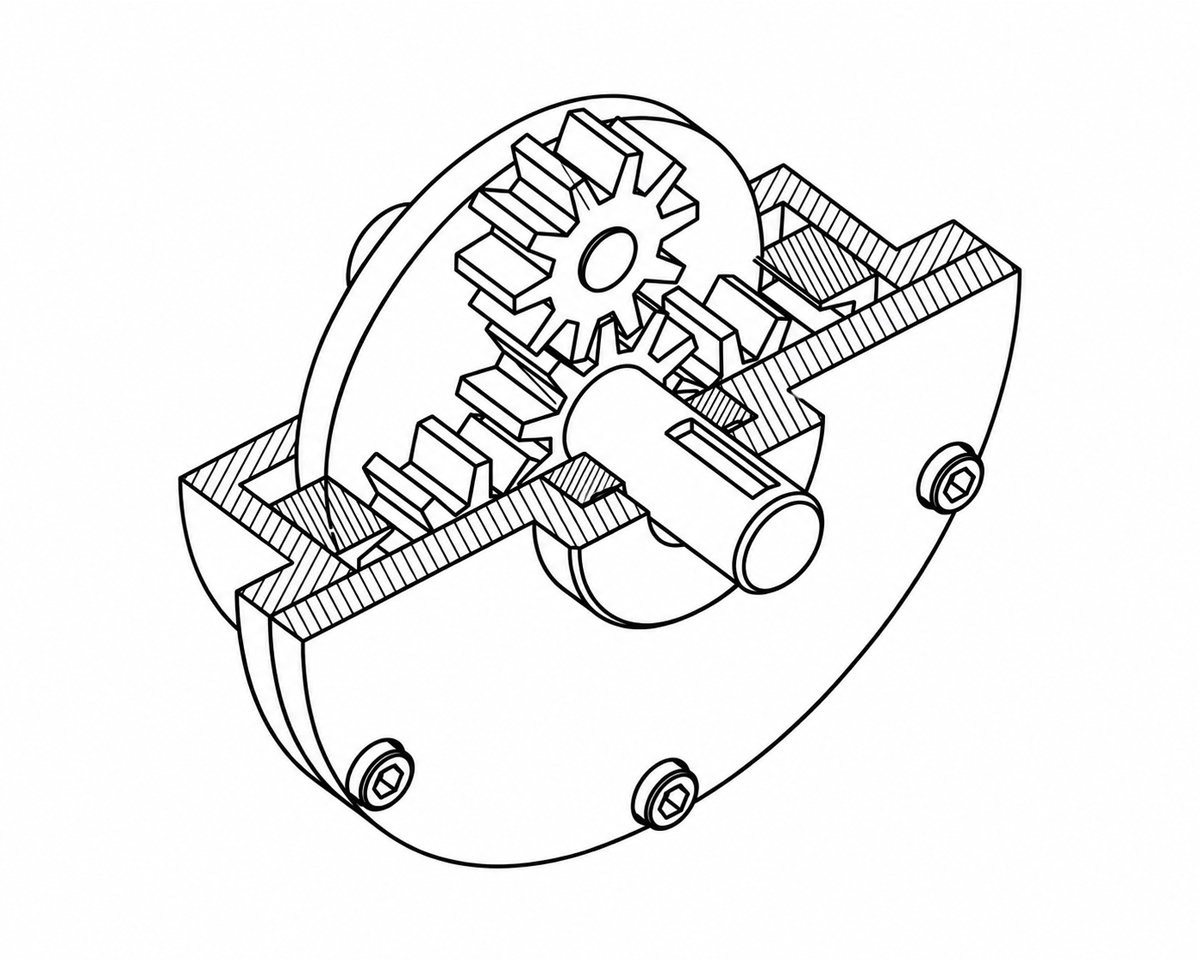
Who we draw for
For inventors filing their idea for the first time. For patent law firms that want to outsource drawings reliably. And for R&D departments whose design data needs to be turned into patent figures.
A patent drawing follows its own rules: uniformly thick, clearly defined lines, hatching for sections, reference signs of sufficient size and consecutively numbered figures. We apply these requirements for the relevant office so that you can concentrate on the content of your application.
Drawing and description in one piece
Reference signs may only appear in the drawing if they are also in the description, and vice versa. That is why we check every figure against your list of reference signs.
What we draw for you
- Perspective views and exploded views
- Sectional, partial and detail views with hatching
- Flow charts, block diagrams and circuit diagrams
- Drawings for utility models
- Illustrations for design applications
- Revision of existing drawings

Whatever you have serves as the source: a hand sketch, photos of the prototype or a sample. You receive the figures as PDF and in other formats on request, suitable for electronic filing.
From sketch to final drawing
It often starts with a hand sketch, a photo or a sample. From this we create the final drawing: the clean version of each figure, ready for filing, with precisely drawn lines, consistent line widths, hatching and reference signs taken from your list.
Before handover, we check every figure against the formal requirements of the office where you file: margins, character height and the numbering of figures and sheets. This applies to patent drawings as well as to utility model drawings and representations for design applications.
From Bielefeld, for clients everywhere
Coordination and file exchange are fully digital, so we draw for inventors, companies and patent law firms throughout Germany and abroad. If you are nearby, you are welcome to visit us in Bielefeld by appointment.
Formal requirements for patent drawings
The key requirements at a glance. They apply in largely the same way to applications at the German Patent and Trade Mark Office (DPMA), at the European Patent Office (EPO) and to international applications under the PCT.
-
Lines and colour
Black, uniformly thick and clearly defined lines, drawn with drafting instruments rather than freehand. Colour is not permitted at the DPMA or in the international phase under the PCT. Since 1 October 2025, the EPO has also accepted colour and greyscale drawings filed electronically.
-
Sheets and margins
A4 sheets with minimum margins of 2.5 cm at the top and left, 1.5 cm on the right and 1 cm at the bottom. The figures may occupy an area of no more than 26.2 × 17 cm.
-
Sections and hatching
Cut surfaces are hatched. The hatching must not obscure reference signs or leader lines.
-
Legible when reduced
All details must remain clearly visible when reduced to two thirds. Numbers and letters are therefore at least 0.32 cm high.
-
Reference signs and text
Reference signs appear in the drawing only if they also appear in the description or claims, and vice versa. Explanatory text does not belong in the drawing; only indispensable words such as “water” or “section on A-B” are allowed.
-
Figures and views
Several figures may share one sheet, clearly separated and numbered consecutively in Arabic numerals. Besides views and sections, perspective views and exploded views are permitted.
Based on the German Patent Ordinance (Annex 2), the Decision of the President of the European Patent Office of 7 July 2025 and Rule 11 of the Regulations under the PCT, as of October 2026. Utility model and design applications have their own rules, which we apply just as carefully.
Patent drawing examples
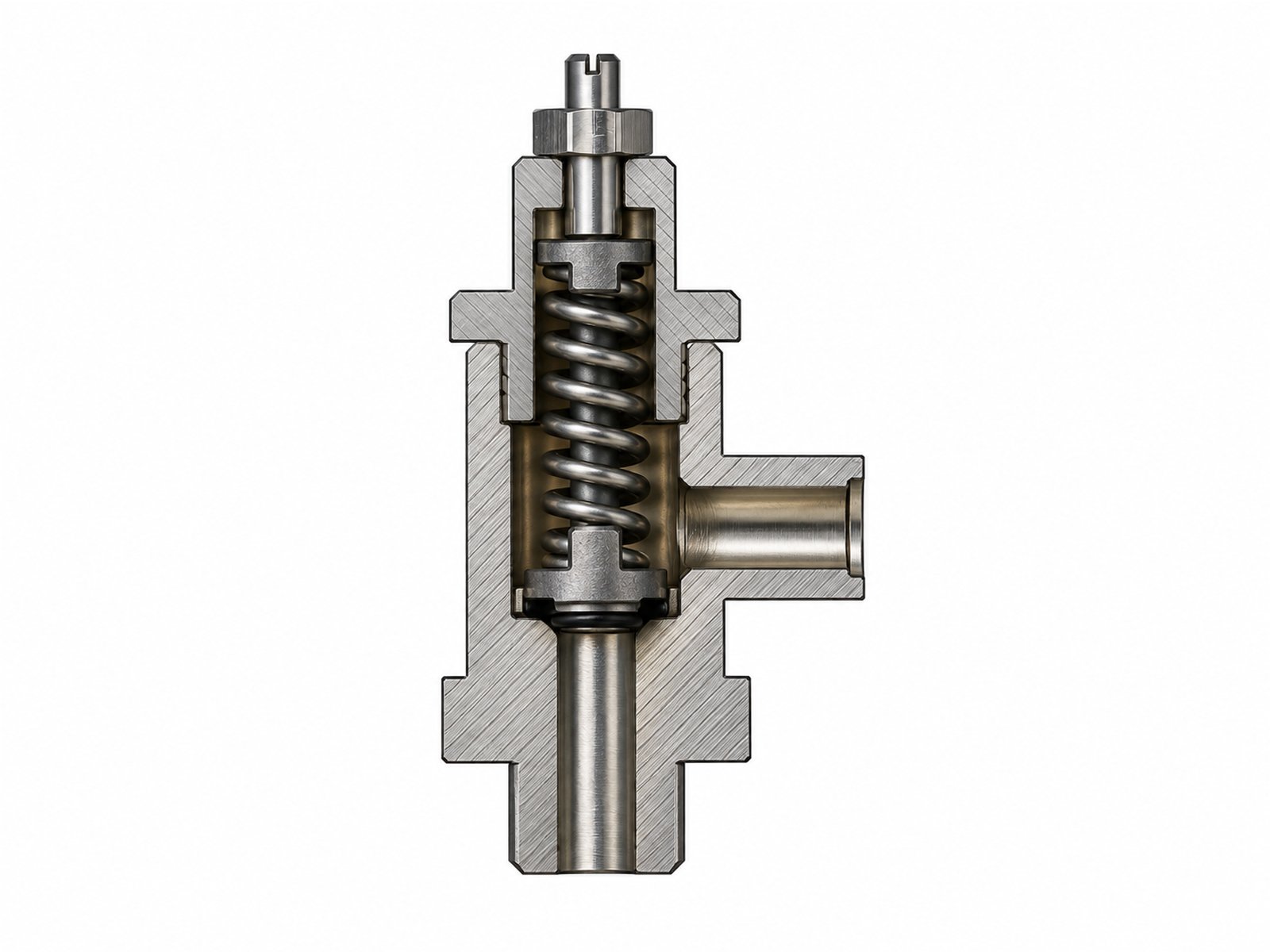
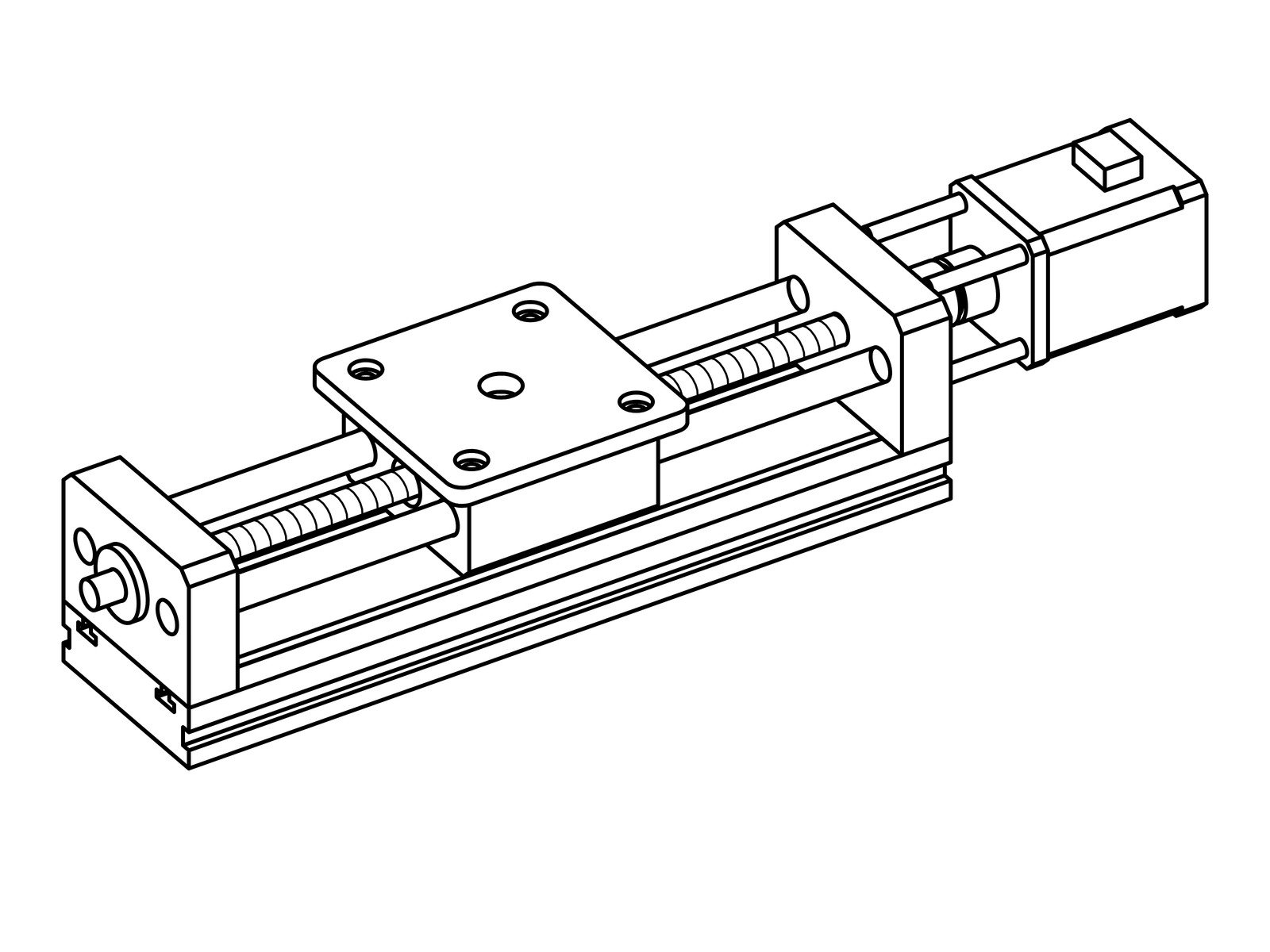
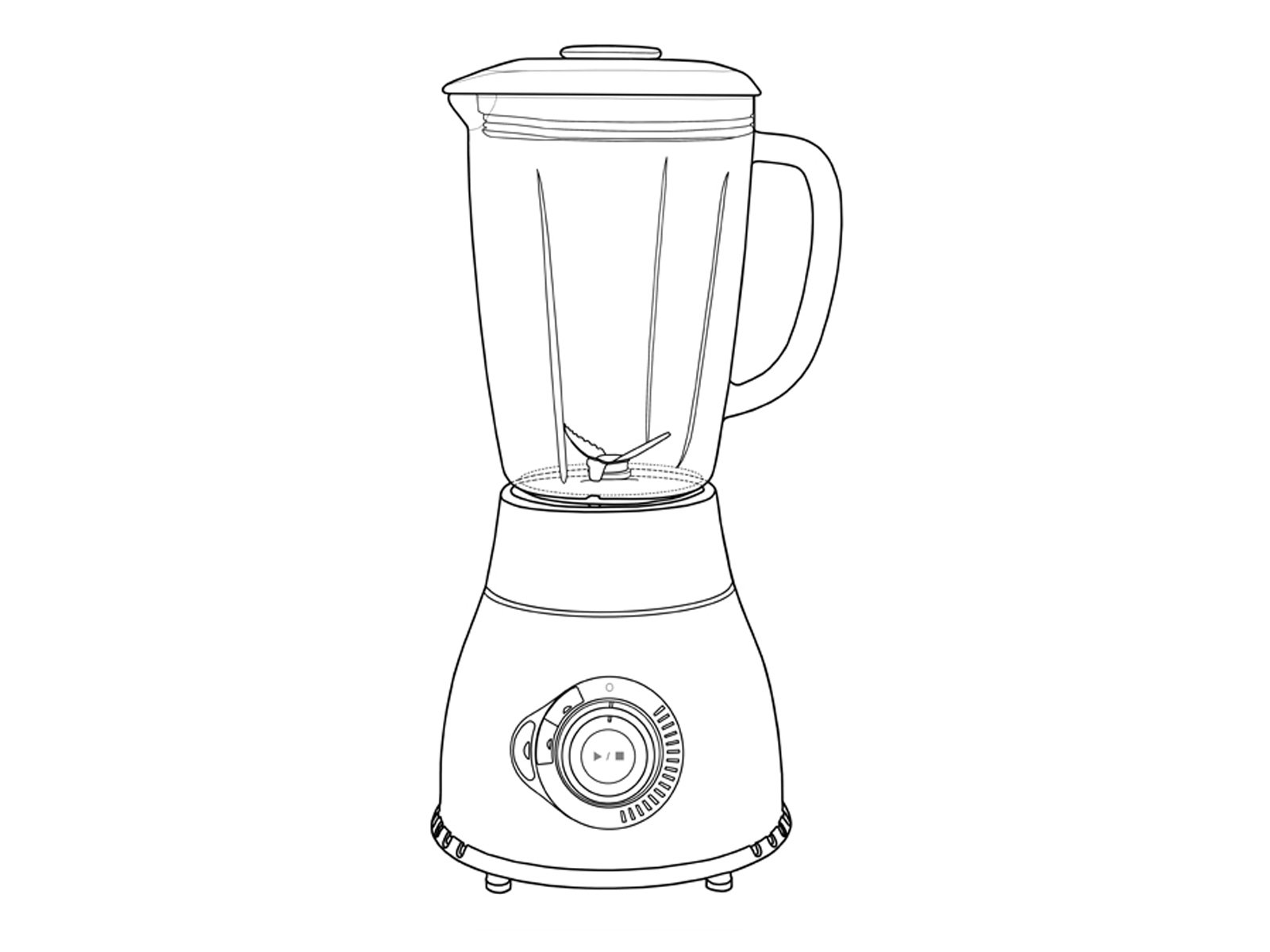
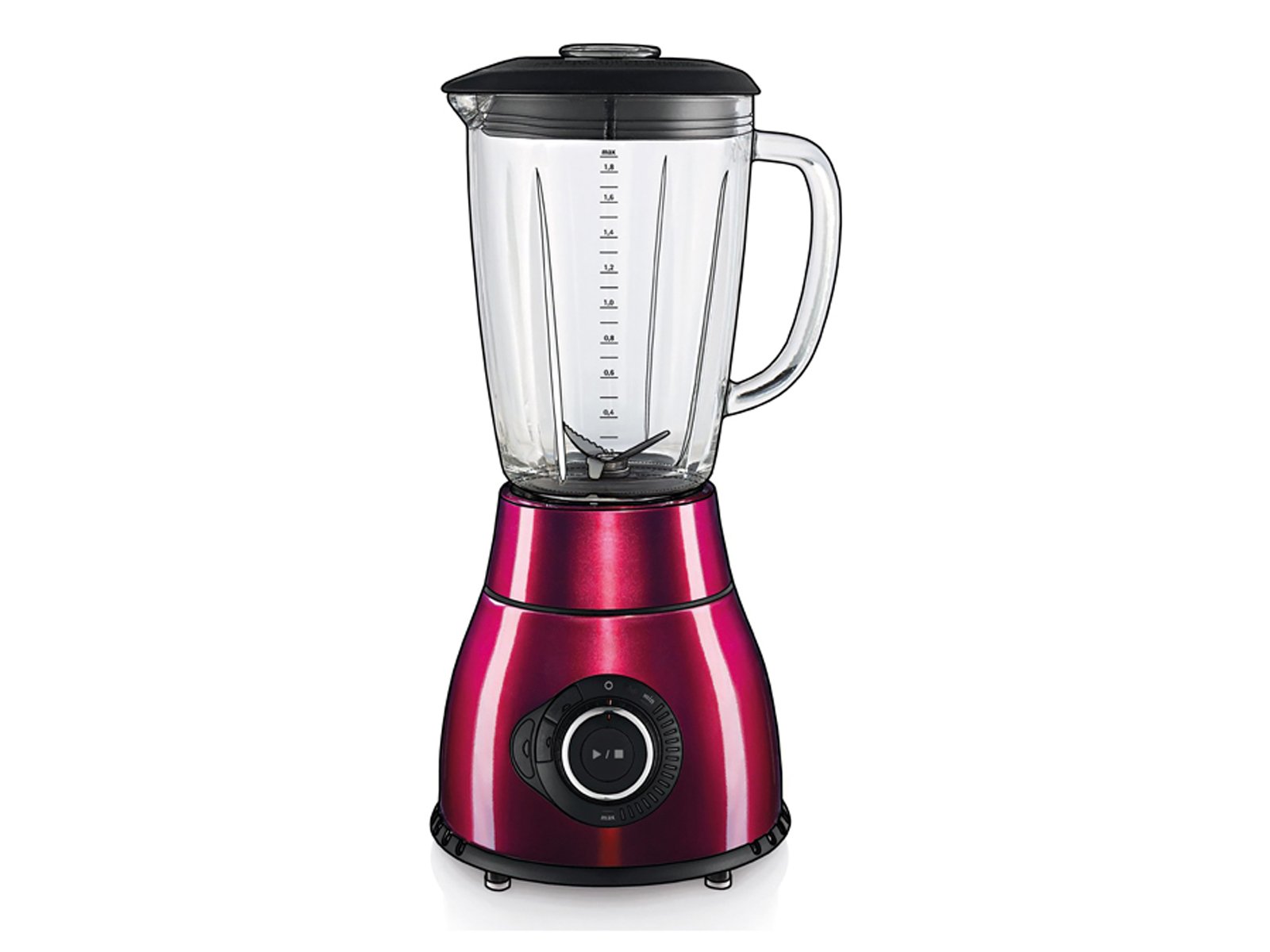
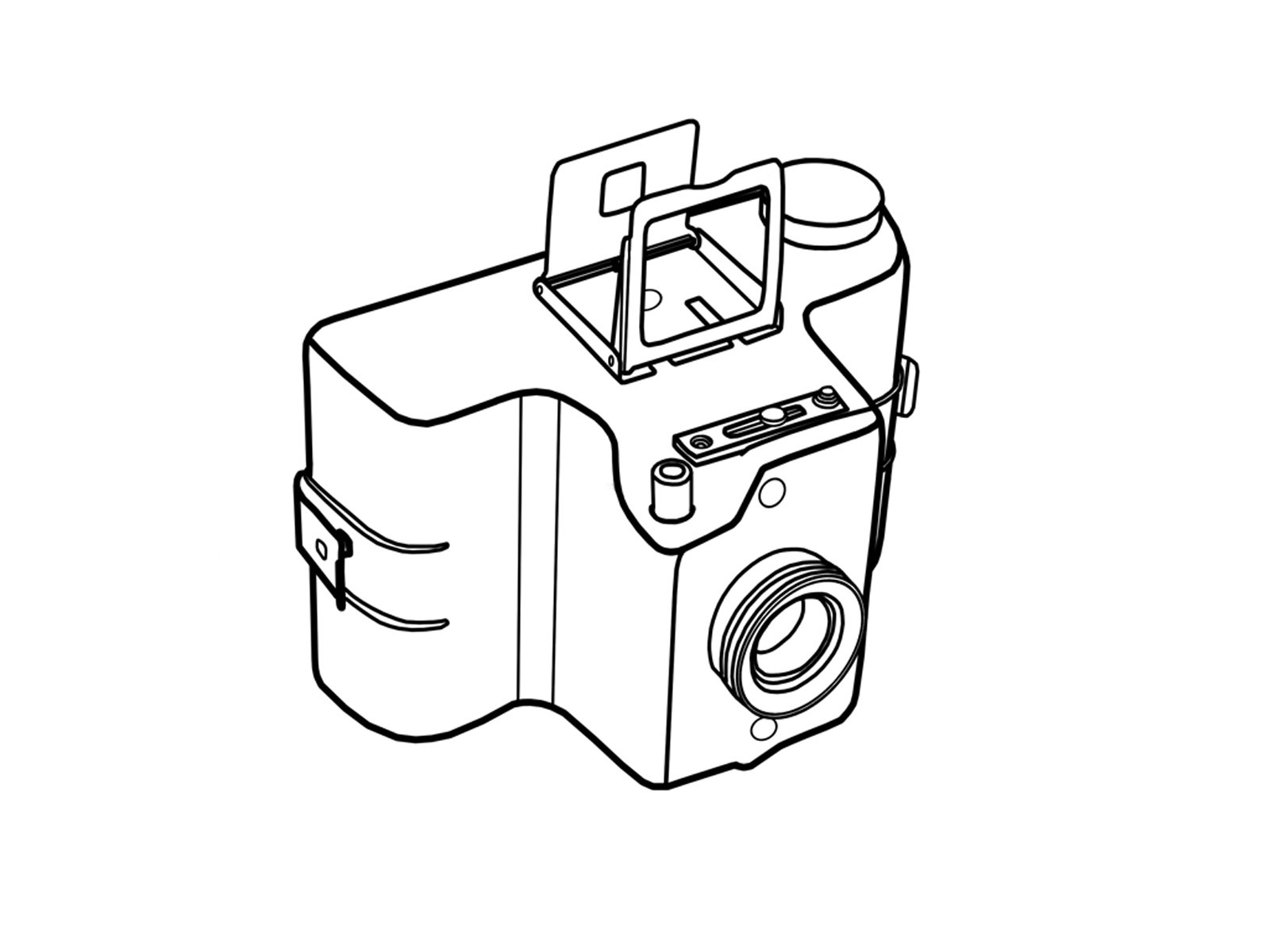
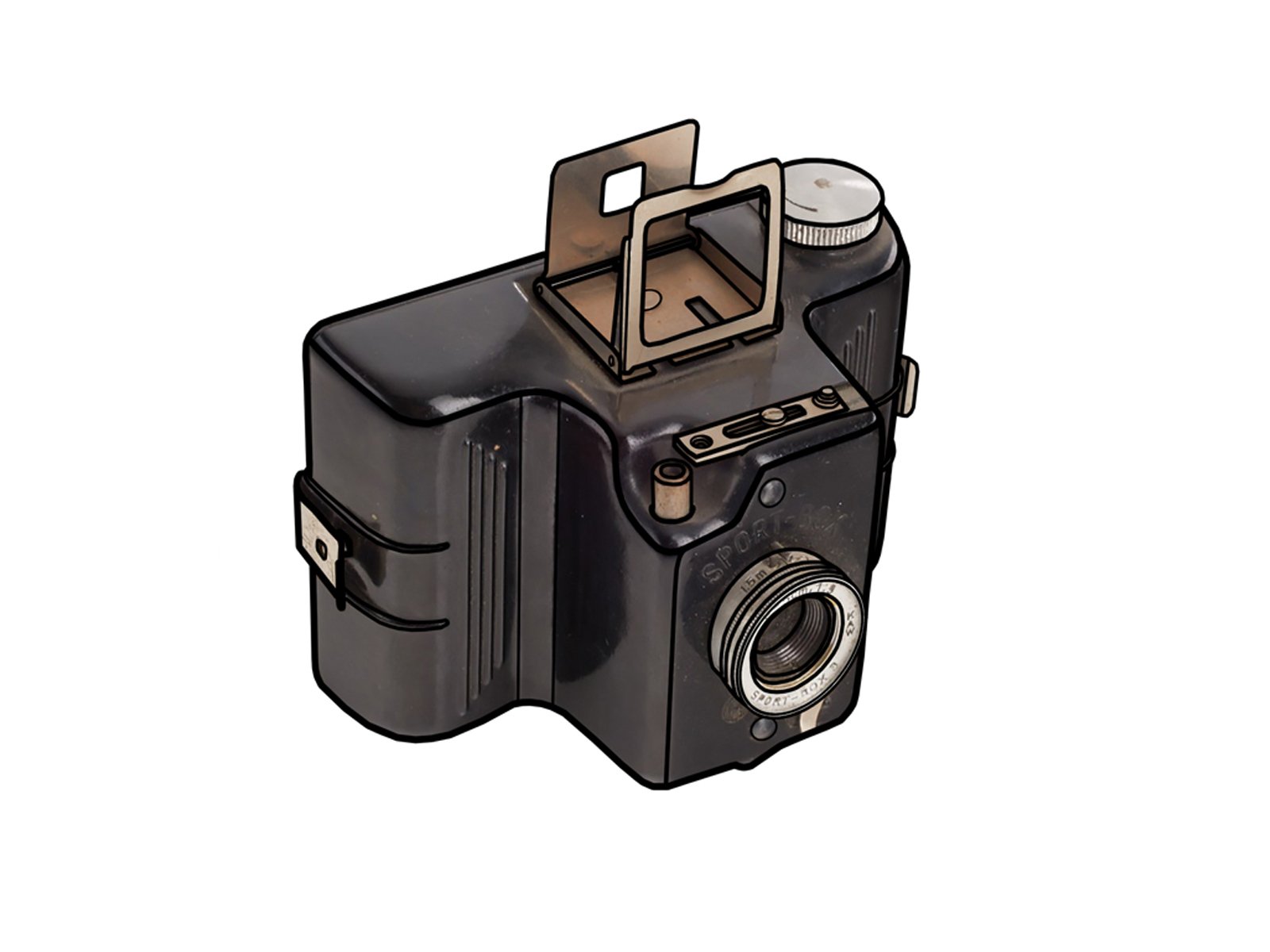
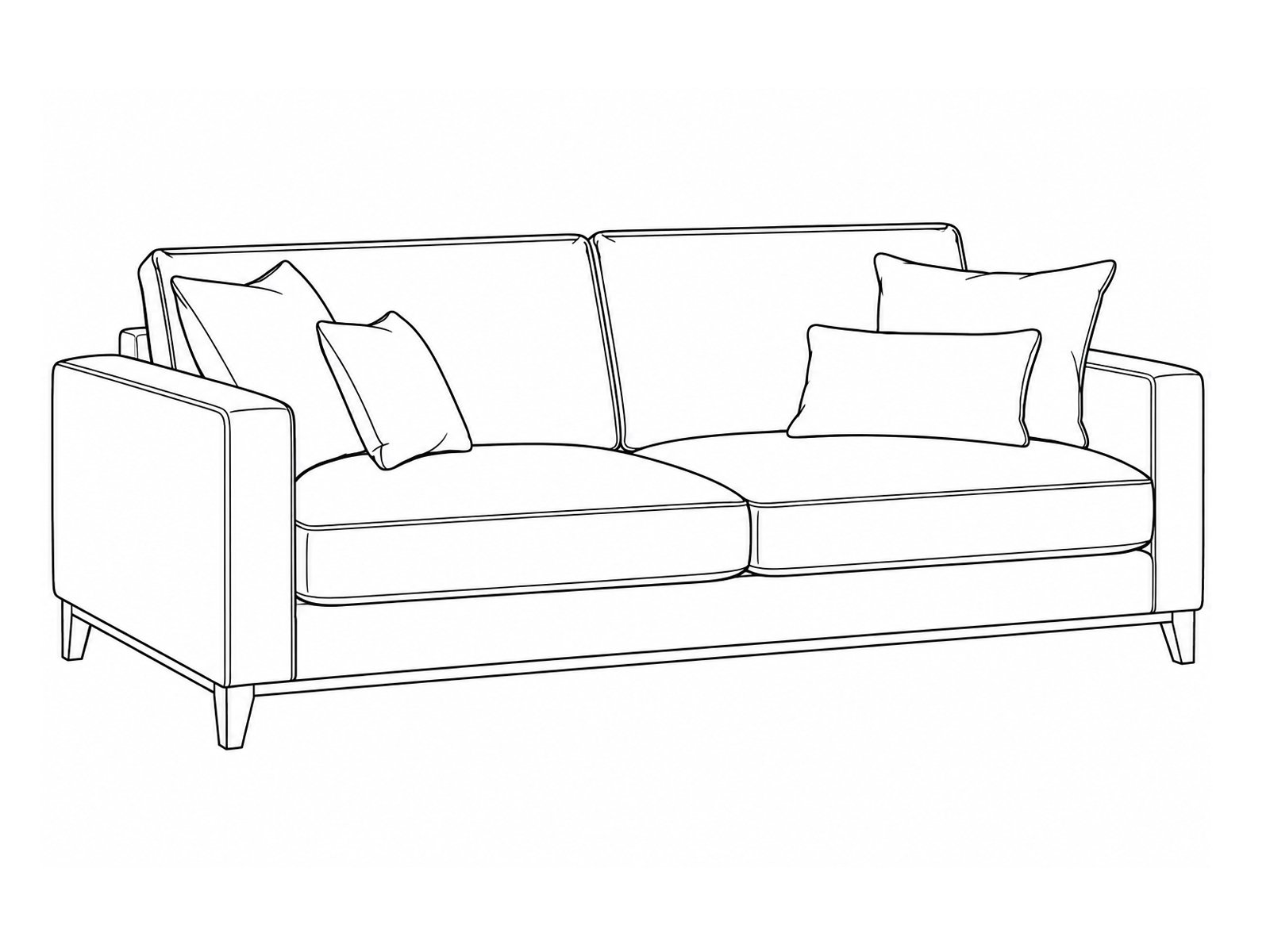
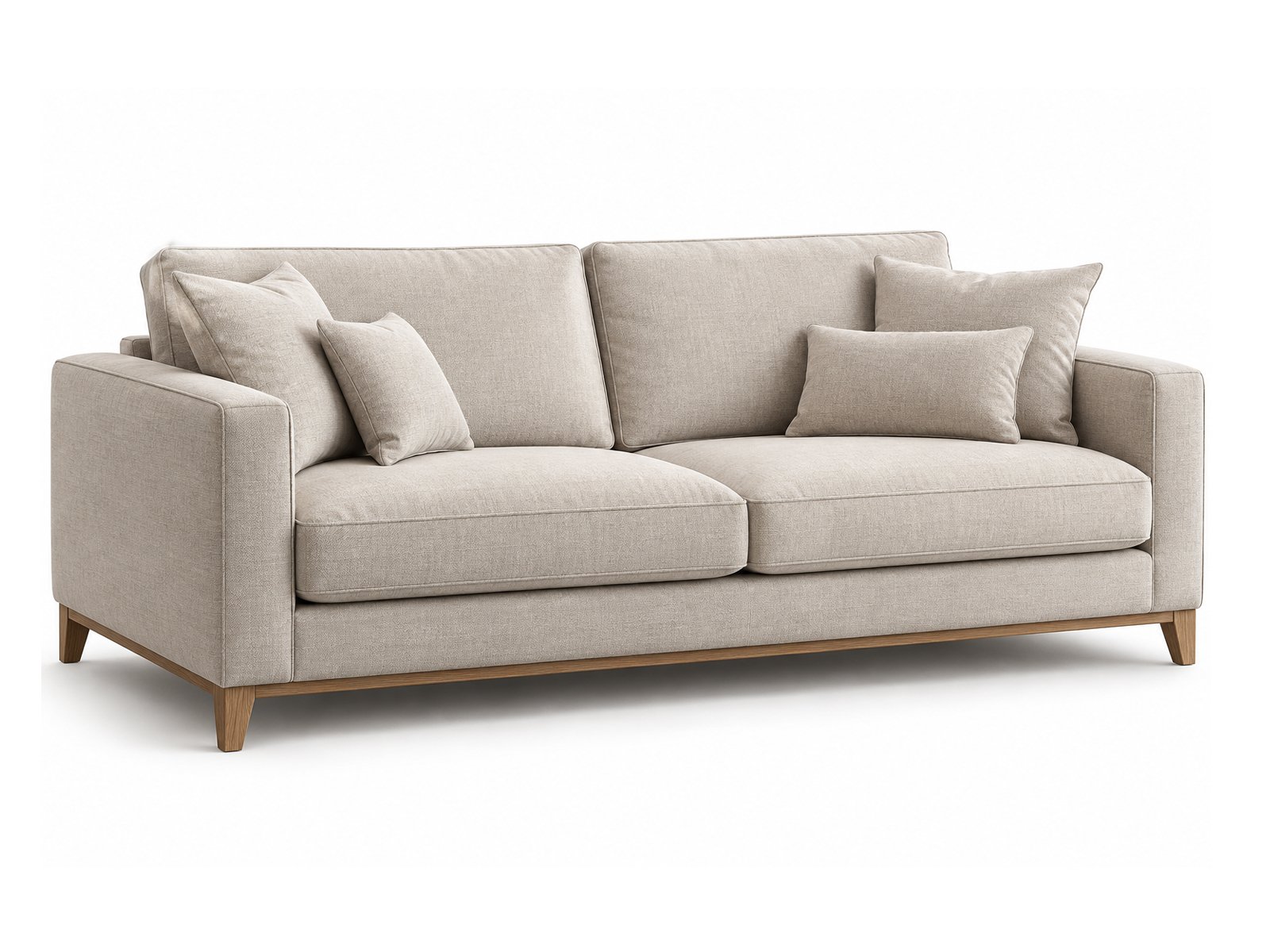
Drag the slider: the original on the left, the finished drawing on the right. The devices shown are fictitious examples. You will find more work from all areas in our portfolio.
-
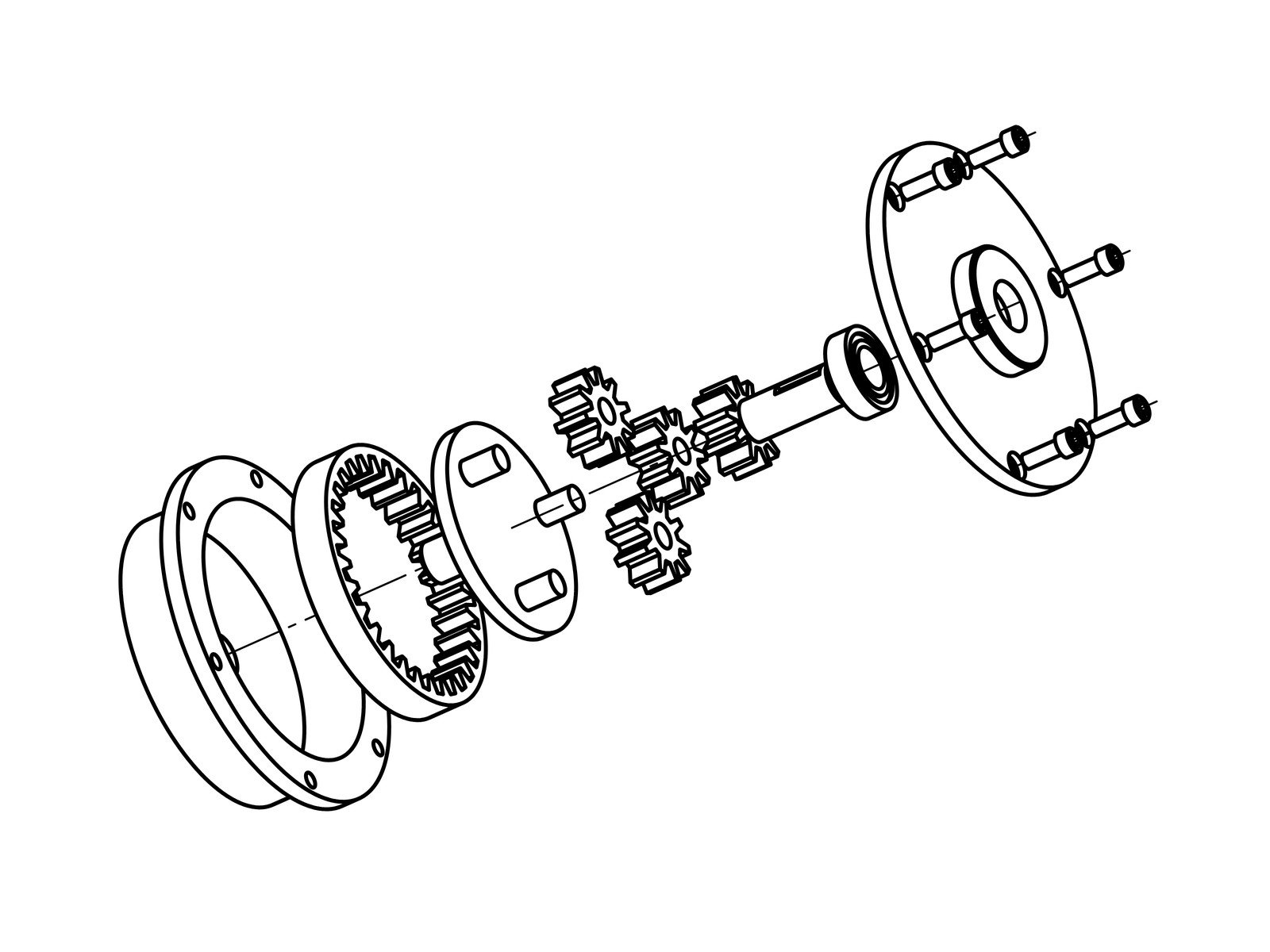 Drawing
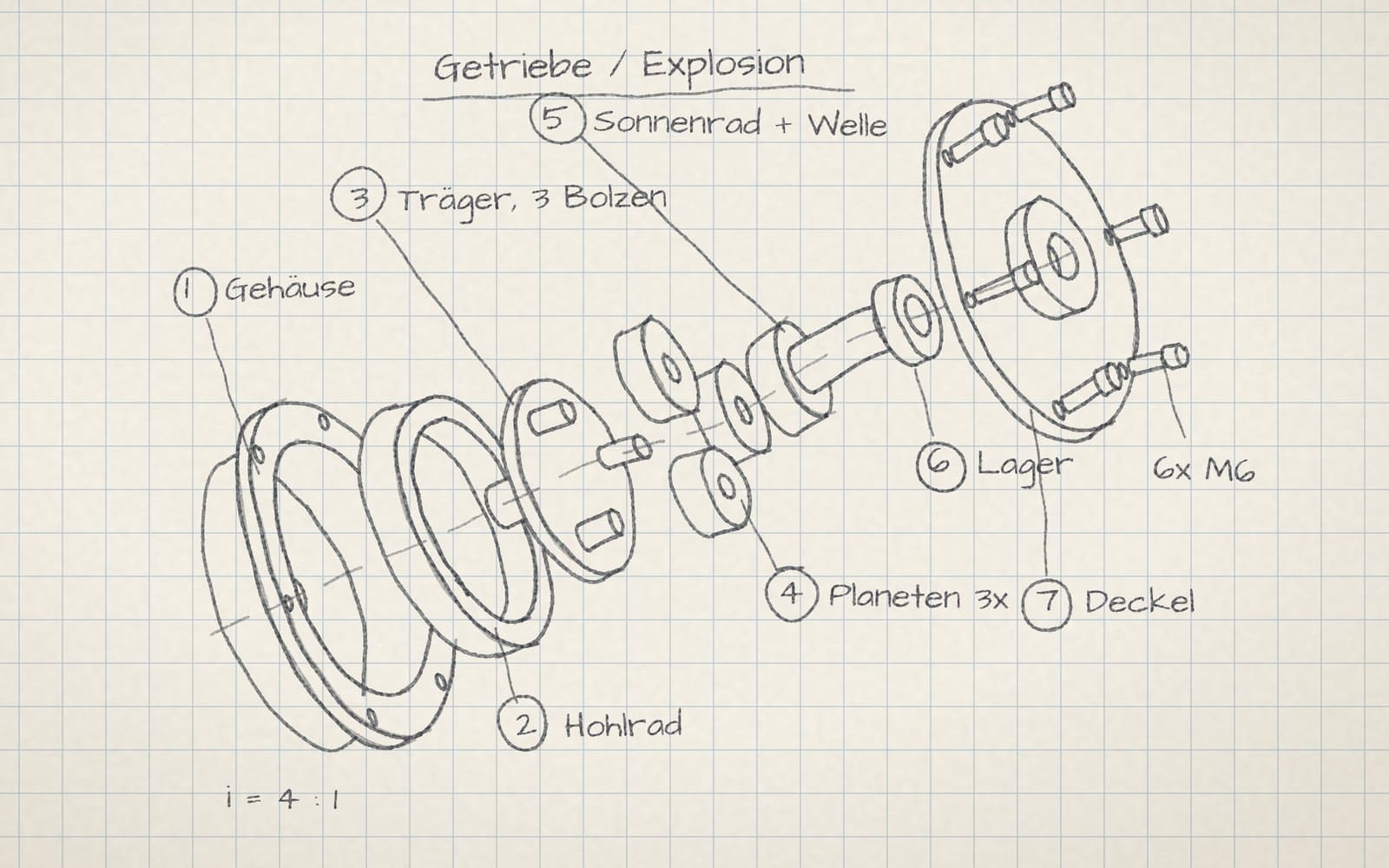 Source
Planetary gearbox -
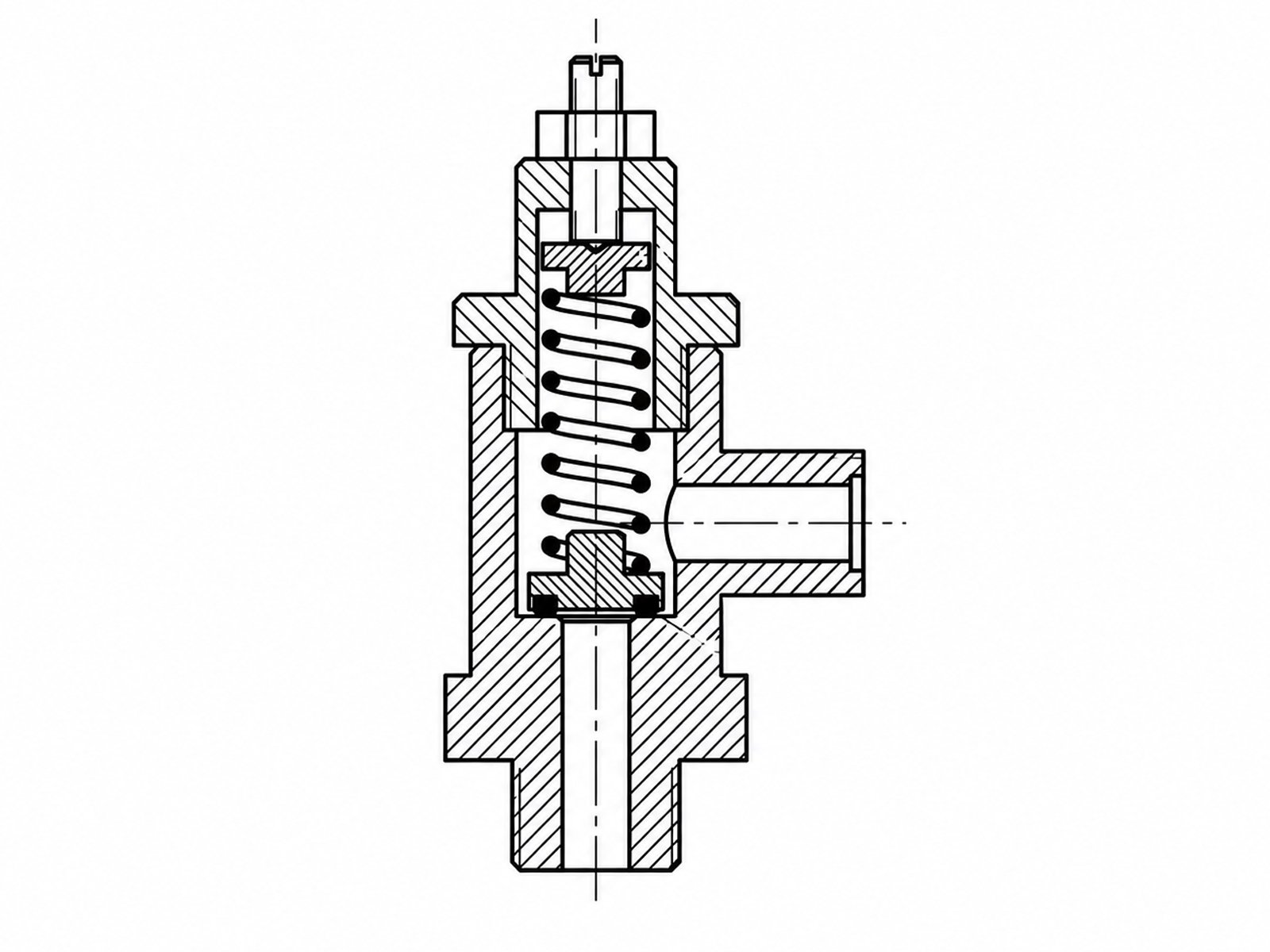 Drawing
 Source
Valve -
 Drawing
 Source
Linear unit -
 Drawing
 Source
Kitchen appliance -
 Drawing
 Source
Camera -
 Drawing
 Source
Furniture
How a patent drawing is made
-
1
Reviewing documents
You send sketches, photos or a sample. We check which views are needed and ask questions where necessary.
-
2
Quote
You receive a quote with the number of figures, price and delivery date.
-
3
Drawing
We create the figures and add the reference signs from your list.
-
4
Check and delivery
After your review, we incorporate corrections and deliver the files ready for filing.
We create drawings. Legal advice, drafting patent claims and the application itself are not part of our services. Your patent attorney is responsible for these.
Questions about patent drawings
Questions about your drawing? Send us your sketch. We will tell you which views make sense.
A patent drawing is the graphic representation of an invention in the application documents. It shows structure and function in clear lines and refers to the description by means of reference signs. Unlike a technical drawing for production, it needs no dimensions, tolerances or material specifications: explanations belong in the text.
Not every one. Drawings form part of the application if the description or claims refer to them. For physical inventions such as machines, devices or components, they are nevertheless the rule, because they make the structure easier to grasp than text alone.
Hand sketches, photos and samples. If you are unsure whether your documents are sufficient, just send us what you have. We will get back to you with an assessment.
As many as are needed to show the invention completely. An overall view and a few detail or sectional figures are often enough. We agree on the selection with you or your law firm.
That depends on the office. At the DPMA and in the international phase of a PCT application, only black lines without colour are permitted. Since 1 October 2025, the European Patent Office has also accepted colour and greyscale drawings if they are filed electronically and have sufficient contrast. We deliver your figures in the version your office requires.
You receive the figures as PDF files, suitable for electronic filing with the DPMA, the EPO or for international applications under the PCT. On request, we also supply other file formats.
Mainly the number of figures and how complex they are: a simple view is drawn faster than an exploded view with many individual parts. You receive a quote with a fixed price before we start.
Yes. We bring older or self-made drawings into the required form and adapt individual figures if the office requests changes.
The final drawing is the clean, definitive version of a drawing, created from a sketch, photo or draft. For patent drawings, this means precisely drawn black lines, hatching for sections, reference signs and consecutively numbered figures, so that the drawing can be filed with the office.
No. Coordination and data exchange work entirely digitally, so we work for clients from all over Germany and abroad. If you are nearby, you are welcome to visit us by appointment.
Talk about your drawing?
Send us your documents. You will receive an assessment and a quote.